Shore Diving the Canary Islands: Entries and Safety
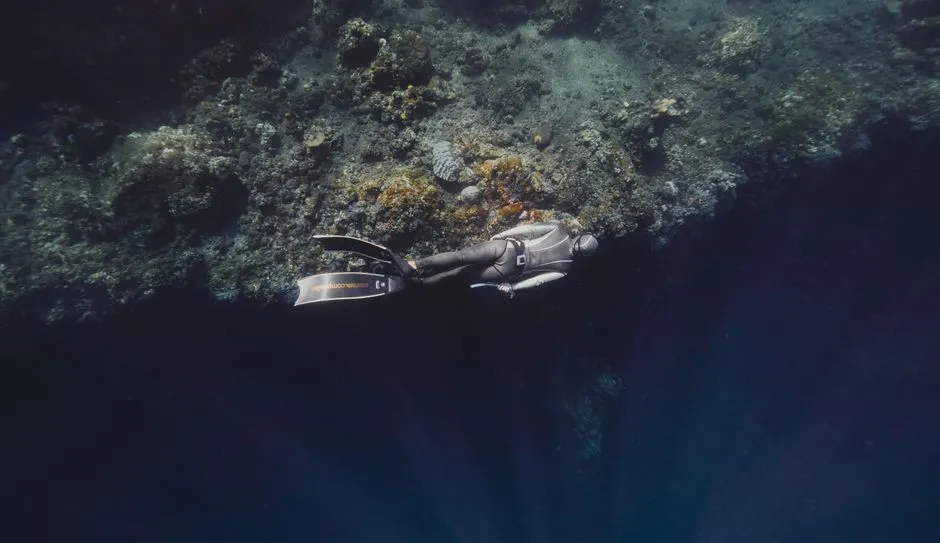
- Shore diving is one of the Canaries' great advantages
- Choose the site for today's conditions
- Read the entry before putting on the cylinder
- Protect feet, hands and balance
- Plan the surface swim and descent
- Expect surge near volcanic structure
- Make the exit its own dive phase
- Match the island to the kind of entry you want
- Carry a shore-specific safety margin
Shore diving is one of the Canaries' great advantages
Shore diving in the Canary Islands can be superb: volcanic bays put reefs, sand flats, walls and marine life within a short swim of land. Lanzarote's Puerto del Carmen, sheltered sites on Tenerife and Gran Canaria, and several La Palma entries make it possible to enjoy serious diving without a boat timetable. That convenience does not make every coast an entry point. Lava can be sharp, swell can arrive in sets, and a calm-looking surface can hide surge or an awkward exit.
The safe approach is simple: use a qualified local professional, assess the entry and exit before gearing up, and keep cancelling on the menu. Divers Alert Network's shore-diving safety guidance stresses that conditions can change quickly and should be reassessed through the entire dive, including before entry and during the return.
Choose the site for today's conditions
The Canaries sit in the Atlantic trade-wind belt. One side of an island may be sheltered while another takes wind and swell, and exposure changes with season and local topography. Online photographs show what a site looked like for one fraction of one day. They do not brief your dive.
Ask a local centre about:
- wind direction and recent swell;
- tide effects at the entry and exit;
- current beyond the bay or headland;
- surge over rock and in shallow water;
- visibility after rain, runoff or heavy seas;
- boat traffic and surface-marker requirements;
- parking, access closures and restrictions;
- the easiest alternative if the first site is unsuitable.
Our seasonal conditions guide explains broad patterns, but the final decision belongs to competent people looking at the water that day. A dive cancelled for swell has been saved for a day when the entry and exit are genuinely manageable.
Read the entry before putting on the cylinder
Walk to a safe viewpoint without carrying scuba gear. Identify the exact route into the water, a primary exit and a backup. Watch several wave sets. Note slippery algae, loose stones, steps, handrails, fishing activity and where a tired diver can stand or hold on.
Then decide how to enter. A protected sandy beach may suit fins put on in shallow water. Steps or a platform may require a controlled giant stride only when the local briefing approves it. A pebble or lava entry may be safer with fins in hand until buoyant, or with equipment donned close to the water to reduce a long walk under weight.
There is no universal Canarian shore-entry technique. Copying another group can be dangerous because their plan, experience and exit point may differ. If you cannot describe how you will leave the water before entering it, you do not yet have a dive plan.
Protect feet, hands and balance
Boots with sturdy soles help on coarse sand, pebbles and volcanic rock. They are not permission to step carelessly. Move slowly, keep one hand free where possible and accept help with fins or a camera. Do not walk backward across uneven volcanic rock. On a sandy surf entry, follow the site-specific briefing on whether fins go on before backing into the water.
Keep the regulator in and mask on whenever waves could reach you. Partially inflate the buoyancy device at the waterline as briefed, while avoiding so much air that it prevents stable movement. Secure gauges and alternate regulators so they do not drag or snag.
Gloves may be prohibited or discouraged at some sites, and wearing them does not justify grabbing living reef. Use designed handholds, ladders or a buddy's steady support rather than coral, animals or fragile growth. Check current local and protected-area rules.
Plan the surface swim and descent
Some shore dives descend almost immediately; others require a surface swim beyond swimmers, surf or shallow rock. Agree on a route, bearing, descent point and gas reserve. Use a surface marker or dive flag where required and remain conspicuous around boat traffic.
Long surface swims consume gas if performed on the regulator and energy in either direction. The return may face wind or current that was friendly on the way out. Build the dive around the weaker or less experienced diver, and preserve enough energy and cylinder pressure for an imperfect exit.
Before descending, regroup, check the entry has not carried anyone away from the planned point and confirm every diver is comfortable. Descend on a reference when possible. Volcanic slopes can drop quickly; good visibility sometimes disguises depth rather than making it harmless.
Expect surge near volcanic structure
Surge moves water—and divers—back and forth without necessarily carrying them steadily in one direction. Near rock, arches or a shallow reef, that motion can create collision and entanglement risk. Stay neutrally buoyant, keep clear of the bottom and avoid squeezing through a gap merely because the water briefly invited you in.
Current, by contrast, may transport the group away from the entry. Watch suspended particles, local algae and your position against fixed features. Turn the dive early if movement, gas use or workload exceeds the plan. A shore dive does not come with a boat following your bubbles, which makes navigation and turnaround discipline especially important.
Caves, lava tubes and wreck interiors are overhead environments. Do not enter without suitable training, equipment and a site-specific plan. Visible open water at the far end does not remove overhead-environment hazards or training requirements.
Make the exit its own dive phase
Recheck the exit from underwater before committing to shallow rock. Listen and look for changing wave action, then follow the agreed sequence. Keep the regulator in and mask on until you are securely clear of the water. In breaking surf, follow the local briefing about when to remove fins and how buddies assist one another.
Do not stand too early. Water that seems waist-deep can remove balance when a cylinder shifts your centre of gravity. At steps or ladders, wait for space rather than crowding the diver ahead. Hand up weights, cameras or other equipment only when the site procedure supports it and the receiver is ready.
If the primary exit becomes unsafe, use the backup. That may mean a longer surface swim, ending at a different beach or calling for assistance. Agree on that alternative before the dive and use it early when conditions change.
Match the island to the kind of entry you want
Lanzarote is famous for shore-accessible diving, particularly around protected bays where multiple profiles can begin from one entry. Tenerife's south and east mix sheltered beach or step entries with rugged lava approaches. Montaña Amarilla is associated with a beach entry beside pale volcanic formations, while Tabaiba uses shore access for a deeper wreck profile; neither name makes the dive suitable when swell, traffic, depth or a diver's experience says otherwise. Our guide to diving in Tenerife explains the wider mix.
Gran Canaria combines sheltered bays with advanced entries whose rock and swell demand careful assessment. La Palma offers striking volcanic shore sites, but steep terrain and exposure make conditions decisive.
Those are tendencies, not guarantees. Even a famously easy bay can have poor visibility, traffic, maintenance work or an unusual swell. New divers should choose the instructor and operating culture first, then let that team select a suitable site.
Carry a shore-specific safety margin
Beyond normal scuba equipment, a sensible shore plan may include sturdy boots, a visible surface marker, a cutting device, audible signalling, thermal protection for time on land and drinking water waiting after the dive. The group needs a means of contacting emergency services and should know the location of oxygen and first aid.
Tell a shore contact the site, expected exit and overdue procedure when appropriate. Secure valuables without hiding car keys in an obvious hiding place around the vehicle. Avoid leaving equipment unattended or obstructing public access.
For an emergency in the islands or surrounding waters, call the official Canary Islands 112 service. After a suspected diving injury, contact emergency services first, provide oxygen if trained and it is available, and seek diving-medical expertise.
Browse our dive-site guides for island comparisons. The best shore dive feels beautifully simple because the difficult decisions—weather, route, gas, equipment and exit—were made before anybody stepped on the lava.