Diving in La Palma: Lava Reefs, Walls, and Reserve
- La Palma is the Canaries' quiet volcanic dive trip
- What diving in La Palma is actually like
- Los Cancajos: convenient eastern shore diving
- Fuencaliente: lava, history and protected water
- The west coast: Tazacorte and nearby entries
- Who will enjoy La Palma most?
- Plan enough days and choose the right base
- Safety deserves island-specific planning
La Palma is the Canaries' quiet volcanic dive trip
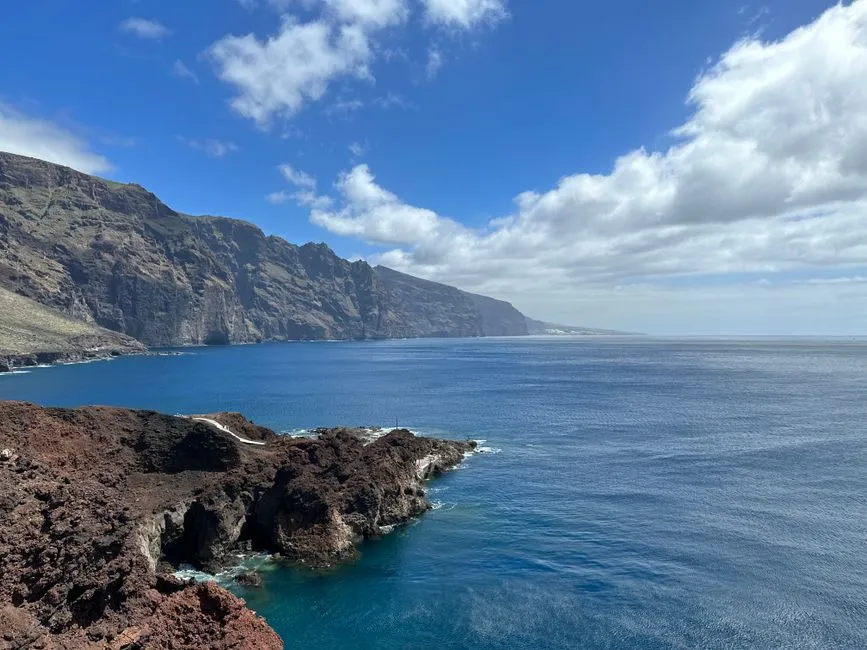
La Palma suits divers who value lava architecture, steep underwater terrain, clear Atlantic water and small-scale island life more than a long menu of operators or nightlife. The practical diving areas are Los Cancajos on the east, Fuencaliente and its marine reserve in the south, and sites toward Tazacorte on the west. Expect arches, gullies, walls, sand, rays, morays and reef fish, with conditions—not a checklist—deciding where you dive.
It is not the default first choice for every visitor. Tenerife and Lanzarote offer more flights and training infrastructure; El Hierro has the archipelago's most celebrated dedicated dive scene. La Palma's case is different: dramatic geology, uncrowded water and an exceptional island above the surface. Our guide to the best Canary Island for diving compares those trade-offs directly.
What diving in La Palma is actually like
La Palma rises steeply from the Atlantic, and the underwater landscape follows suit. Volcanic rock forms ridges, crevices, small caves, arches and abrupt depth changes. The official La Palma tourism site identifies Los Cancajos, Tazacorte and Fuencaliente as core diving areas and describes the island's submerged walls and volcanic structures.
The water is temperate rather than tropical. Seasonal temperatures broadly follow the rest of the western Canaries, while wind, swell and local shelter can make two coasts feel unrelated on the same day. Visibility can be excellent, but never book the island on the promise of a particular number. Recent weather, plankton, surge and the site itself get a vote.
Marine life rewards observation. Look in rockwork for morays, wrasse, octopus and invertebrates; scan sand for rays; watch the blue for barracuda or amberjack. Turtles and cetaceans occur around the island, but seeing a species from a boat or knowing it inhabits protected waters does not make it a reliable scuba encounter. Anybody guaranteeing dolphins on your morning reef dive has confused wildlife with room service.
Los Cancajos: convenient eastern shore diving
Los Cancajos is a practical base for shore diving near the island's airport and capital. Protected sections of the bay can offer accessible entries and volcanic formations across a range of depths, which helps local teams adapt profiles for training, relaxed reef dives or more experienced groups.
“Protected” remains relative. Steps, rock, surge and entry arrangements should be checked on the day. Follow the local briefing on where to enter, where swimmers or boats operate and how the exit behaves as water moves. Do not enter an arch, cave or overhead space without the appropriate training and plan simply because the opening looks photogenic.
Los Cancajos works especially well for a short trip that mixes diving with Santa Cruz and the island's northeast. Its weakness is not underwater quality but exposure to whatever the east-coast weather is doing; a flexible operator may move the day elsewhere.
Fuencaliente: lava, history and protected water
The southern tip around Fuencaliente combines stark young volcanic landscape with some of La Palma's best-known diving. Near the lighthouse, Las Cruces de Malpique is associated with a submerged memorial of stone crosses. Treat it as a memorial and cultural site, not underwater gym equipment.
The southwest also contains the La Palma marine reserve. The official island information says the reserve was established in 2001 and covers a protected marine area off the coast; Spain's environment ministry also identifies La Palma's marine protection within the island's wider biosphere-reserve framework. Protected status is not a promise that every dive teems with large animals. It is a management framework with access and conservation rules.
Current permits, authorised activities, moorings and operator procedures must be verified before diving in the reserve. Do not assume rules from a previous trip still apply. Use established moorings when directed, control buoyancy and take nothing—not even the charming shell that has already survived several decades without becoming your bathroom ornament.
Fuencaliente is an excellent choice for experienced divers interested in deeper contours as well as recreational groups using suitable profiles. The same site name may cover a depth range far beyond one diver's certification, so agree on the maximum depth, route, gas plan and turnaround rather than relying on a generic level label.
The west coast: Tazacorte and nearby entries
La Palma's west coast can offer shelter when the east is exposed, along with boat and shore access to volcanic reefs. Tazacorte is the main practical reference point. Farther south, official site descriptions for places such as Las Cabras show the mix of walking access, reef, small arches and animal habitat found around this coast.
That page lists the overall site to substantial depth; it does not mean every diver should follow the reef there. A local guide should select a profile within certification, recent experience and gas limits. Boats pass some areas, so follow current surface-marker and traffic procedures.
The west is useful on a multi-day package because it adds another exposure and character. It also adds driving on an island where straight-line distances lie cheerfully about travel time.
Who will enjoy La Palma most?
Choose La Palma when:
- volcanic formations and walls matter more than wrecks;
- you prefer small groups and uncrowded sites;
- hiking, stargazing and landscape will fill non-diving time;
- you are comfortable letting weather rearrange the plan;
- your group enjoys a quiet island after the wetsuits come off.
Choose a more connected island when you need the widest choice of beginner courses, want several backup operators within walking distance or have a very tight international itinerary. La Palma can teach and accommodate beginners, but its strongest appeal is to certified divers who appreciate terrain and flexibility.
Plan enough days and choose the right base
Allow at least four nights for a dive-focused visit, and more if the island itself is part of the attraction. Two or three diving days give the operator a chance to use different coasts rather than forcing a headline site in poor conditions.
Los Cancajos or nearby eastern areas are convenient for the airport, Santa Cruz and east-coast entries. Fuencaliente puts the southern landscape and reserve closer, with a quieter feel. A western base suits Tazacorte and sunset, but increases travel to eastern sites. Ask the centre where its dives genuinely depart during your season before choosing accommodation.
Confirm what equipment is included, cylinder connection, current transfer arrangements, languages, group size and the experience required for proposed sites. Bring certification evidence and a log showing recent experience. If it has been a long time since your last dive, arrange a refresher rather than using the first wall as a memory test.
Our month-by-month Canary diving guide helps with broad season choice. Keep at least one surface day before flying or travelling to altitude, following your dive computer and current professional guidance.
Safety deserves island-specific planning
Shore access can involve lava, pebbles, steps or surf. Wear appropriate boots, inspect the exit first and accept the local call when conditions are unsuitable. Currents and depth can increase around points and walls. Maintain buddy contact, watch gas and depth, and keep overhead environments outside the plan unless properly trained.
La Palma's spectacular high country also matters after diving. Reduced atmospheric pressure at altitude can add decompression stress. Discuss driving or hiking plans with the dive team, observe an appropriate interval and use the more conservative guidance from your computer, agency or diving-medicine source.
For an emergency, the Canary Islands 112 service coordinates medical, rescue and maritime response. After suspected decompression illness or another diving injury, call emergency services first, provide oxygen if trained and available, and obtain specialist diving-medical advice.
Browse more Canary Islands dive-site guides when comparing routes. La Palma earns its place through texture rather than trophies: black lava, blue water, a small group and the agreeable uncertainty of which coast the Atlantic will allow you to see today.